


The way businesses secure their workplaces has changed dramatically over the past decade. Traditional locks and physical keys are rapidly being replaced by intelligent access control systems that provide greater security, flexibility, and operational efficiency.
As offices become more digital and hybrid work models continue to grow, companies need security solutions that can adapt to changing workplace dynamics. Smart access control is no longer reserved for large corporations—it has become an essential investment for businesses of every size.
Whether you’re managing a corporate headquarters, co-working space, school, healthcare facility, warehouse, or commercial building, modern access control gives you complete control over who enters your premises and when.
What Is Smart Access Control?
Smart access control is a digital security system that regulates entry into buildings, rooms, or restricted areas using electronic credentials instead of traditional keys.
Employees and authorized visitors can gain access through:
- Biometric fingerprint scanners
- Facial recognition
- RFID cards
- PIN codes
- Mobile phone credentials
- QR codes
- Bluetooth-enabled devices
Administrators can manage permissions from a centralized platform, making it easy to grant, modify, or revoke access instantly.
Stronger Security Than Traditional Locks

Physical keys can be:
- Lost
- Copied
- Stolen
- Shared without authorization
Replacing locks every time a key goes missing is both expensive and inconvenient.
Smart access control eliminates these risks by allowing administrators to deactivate lost credentials immediately while issuing new digital permissions within minutes.
Sensitive areas such as server rooms, finance departments, executive offices, or data centers remain protected without changing physical locks.
2. Know Exactly Who Entered—and When
One of the biggest advantages of electronic access control is complete visibility.
Every entry attempt is automatically recorded, creating a digital audit trail that includes:
- User identity
- Date
- Time
- Entry location
- Access outcome
This information becomes invaluable for:
- Security investigations
- Compliance requirements
- Internal audits
- Attendance verification
- Incident reporting
- Managers always know who accessed restricted areas.
3. Supports Hybrid Workplaces

Modern offices rarely operate on a traditional 8-to-5 schedule.
Many businesses now have:
- Remote employees
- Hybrid workers
- Contractors
- Consultants
- Temporary staff
- Shared office spaces
Smart access control allows businesses to create customized access schedules.
Examples include:
- Marketing staff can access offices Monday–Friday.
- Cleaning crews enter only after business hours.
- Contractors receive temporary access for one week.
- Executives enjoy 24/7 building access.
Everything can be configured digitally without issuing multiple physical keys.
4. Easy Visitor Management
Visitors should feel welcome—but not unrestricted.
Modern access control systems can simplify visitor management through:
- Digital registration
- QR code entry
- Temporary credentials
- Reception notifications
- Scheduled visitor approvals
This reduces waiting times while improving security for employees and guests alike.
5. Improved Employee Safety
Emergency situations require immediate action.
Smart access systems can:
- Lock down selected areas
- Unlock emergency exits
- Restrict unauthorized movement
- Provide occupancy records during evacuations
Knowing who is inside the building can significantly improve emergency response procedures.
6. Integrates with Other Security Systems

Today’s access control platforms work seamlessly with other smart building technologies.
These may include:
- CCTV surveillance
- Alarm systems
- Video intercoms
- Time attendance systems
- Smart elevators
- Parking access
- Building management systems
Instead of managing multiple disconnected systems, businesses gain a unified security ecosystem.·
7. Saves Time for HR and Facility Managers
Managing physical keys consumes valuable administrative time.
Smart access simplifies tasks such as:
- Onboarding new employees
- Offboarding departing staff
- Granting temporary access
- Updating permissions
- Tracking attendance
- Managing multiple office locations
With cloud-based systems, many of these tasks can even be completed remotely.
8. Scales as Your Business Grows
Businesses evolve.
You may start with one office and eventually expand to multiple branches.
Modern access control systems are designed to scale.
Additional doors, departments, users, and locations can be added without replacing the entire system.
This makes smart access control a future-ready investment rather than a short-term solution.
9. Reduces Long-Term Costs
While electronic access systems require an initial investment, they often reduce operational costs over time.
Businesses save money by reducing:
- Lock replacements
- Lost key management
- Security breaches
- Manual attendance tracking
- Administrative overhead
- Unauthorized access incidents
The long-term return on investment often outweighs the initial installation costs.
10. Enhances Your Company’s Professional Image
Modern offices are increasingly expected to provide secure, seamless, and technology-driven experiences.
Smart access systems create a professional first impression by offering:
- Contactless entry
- Fast visitor check-in
- Secure meeting room access
- Clean, keyless environments
- Modern workplace infrastructure
Clients, partners, and employees appreciate the added convenience and confidence that comes with advanced security technology.
Industries Benefiting from Smart Access Control
Smart access control is suitable for a wide range of sectors, including:
- Corporate offices
- Commercial buildings
- Educational institutions
- Healthcare facilities
- Manufacturing plants
- Warehouses
- Hotels
- Residential developments
- Government offices
- Financial institutions
Every organization that values security and operational efficiency can benefit from intelligent access management.
Choosing the Right Access Control Solution
Selecting the right system depends on several factors:
- Number of users
- Number of entry points
- Security requirements
- Future expansion plans
- Integration needs
- Budget
- Cloud vs. on-premise management
Working with an experienced security solutions provider ensures your system is designed around your operational needs rather than a one-size-fits-all approach.
Future-Proof Your Office Security with Nextcraft Kenya

As workplaces become smarter, office security must evolve alongside them. Smart access control provides far more than secure entry—it improves operational efficiency, enhances employee safety, simplifies administration, and supports modern ways of working.
Whether you’re upgrading an existing office or designing a new workspace, investing in intelligent access control helps protect your people, assets, and business operations while preparing your organization for future growth.
At Nextcraft Kenya, we design and install reliable access control solutions tailored to your organization’s unique security requirements. From biometric systems and RFID access to integrated smart security platforms, we help businesses create safer, more efficient workplaces built for the future.
Ready to modernize your office security? Contact Nextcraft Kenya today for a professional consultation and discover the right access control solution for your business.
·


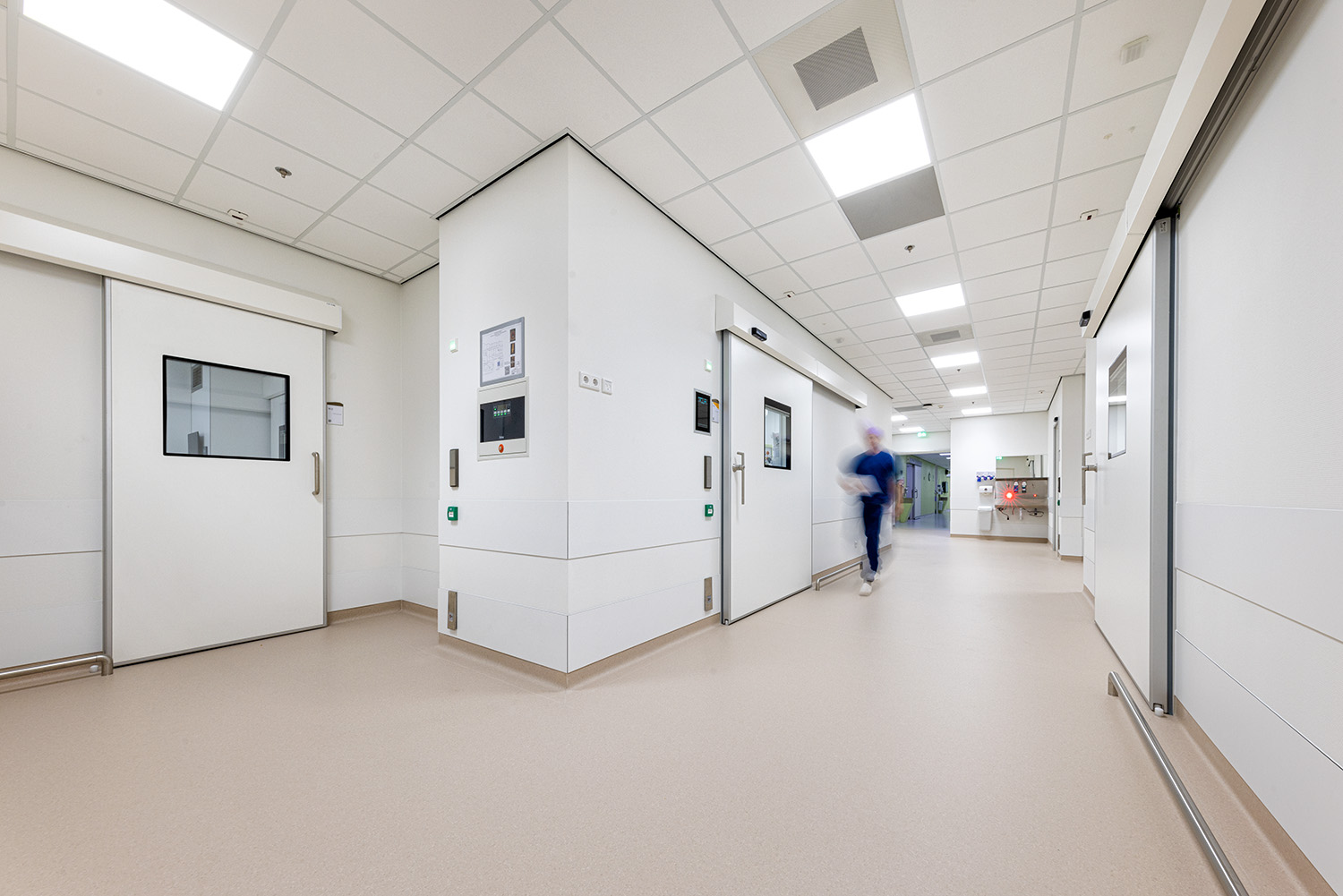

 In operating theaters, intensive care units (ICUs), and isolation wards, maintaining absolute airtightness is non-negotiable. Standard doors allow micro-contaminants, dust, and airborne pathogens to slip through structural gaps, compromising sterile zones.
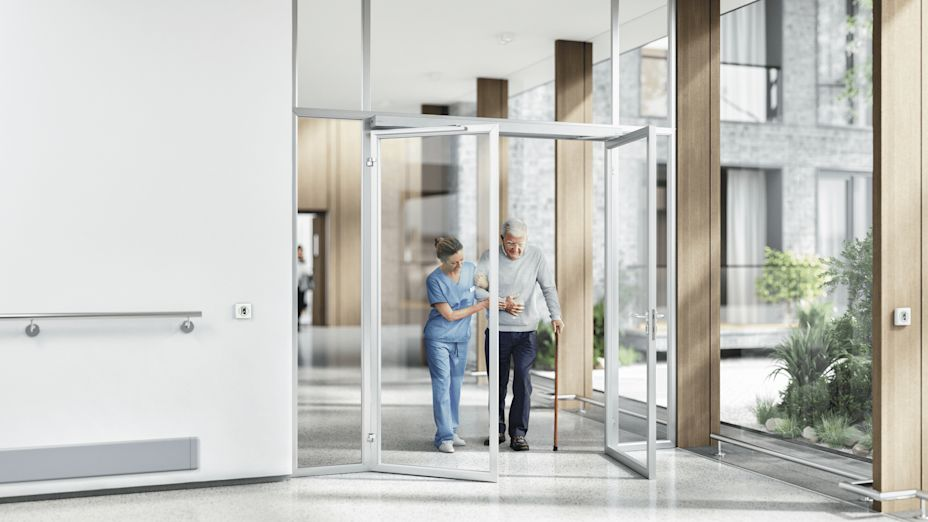

 Patient privacy, mobility, and physical support are paramount, especially in shared wards, triage spaces, and post-operative recovery areas.
 Traditional fabric curtains in consultation rooms and ward windows are notorious dust traps and require frequent, high-temperature laundering to remain sanitary.


